History of Matcha, benefits of Matcha tea, best ceremonial grade matcha, why is matcha popular, Japanese tea ceremony, anti-inflammatory superfoods.
The Soul of Serenity
Before it became a staple in modern wellness cafes, Matcha was a sacred tool for mindfulness. At SereneSweat, we view Matcha not just as a beverage, but as a ritualistic bridge between ancient wisdom and modern performance. If you’ve ever wondered why this vibrant green powder has taken the world by storm, the answer lies in its rich history and unparalleled chemical profile.
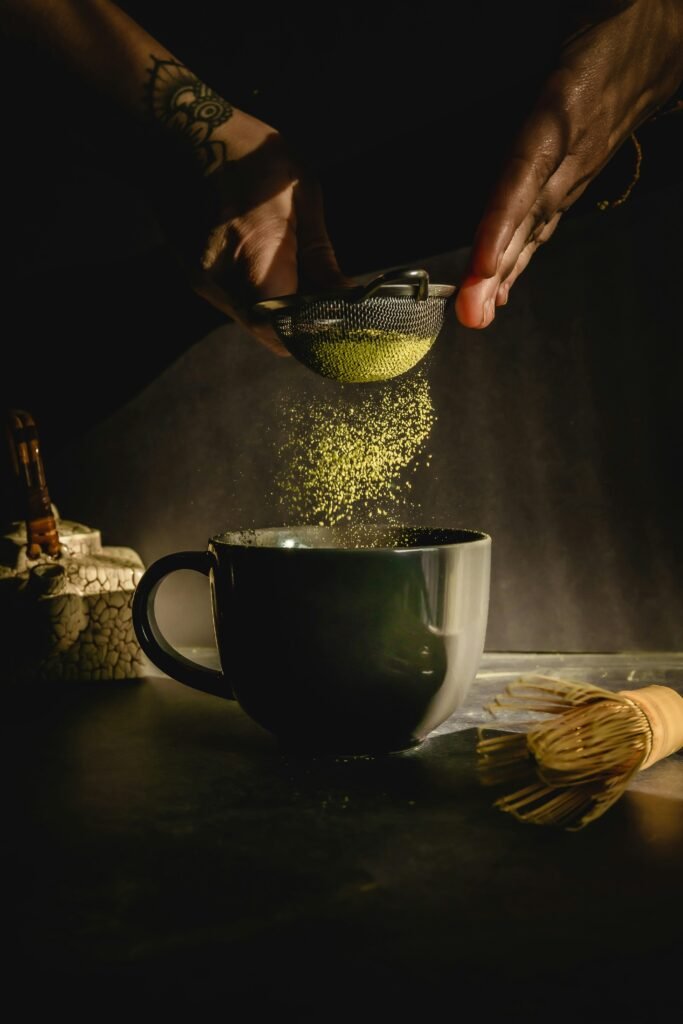
1. The Heritage: From Zen Monks to Modern Studios
Matcha’s journey began over a thousand years ago. While green tea originated in China during the Tang Dynasty, it was the Japanese Zen Buddhist monks who perfected the art of Matcha.
- The Spiritual Connection: In the 12th century, the monk Eisai brought tea seeds to Japan. He discovered that grinding the leaves into a fine powder and whisking them with hot water created a state of “Meditative Alertness.”
- The Samurai Influence: Beyond the monasteries, the Samurai adopted the Matcha ceremony (Chanoyu) to sharpen their focus before battle.
- The “Shade-Grown” Secret: The unique vibrant green color comes from a Japanese technique where tea bushes are covered 20-30 days before harvest. This increases chlorophyll and L-theanine levels, creating the “Superfood” we know today.
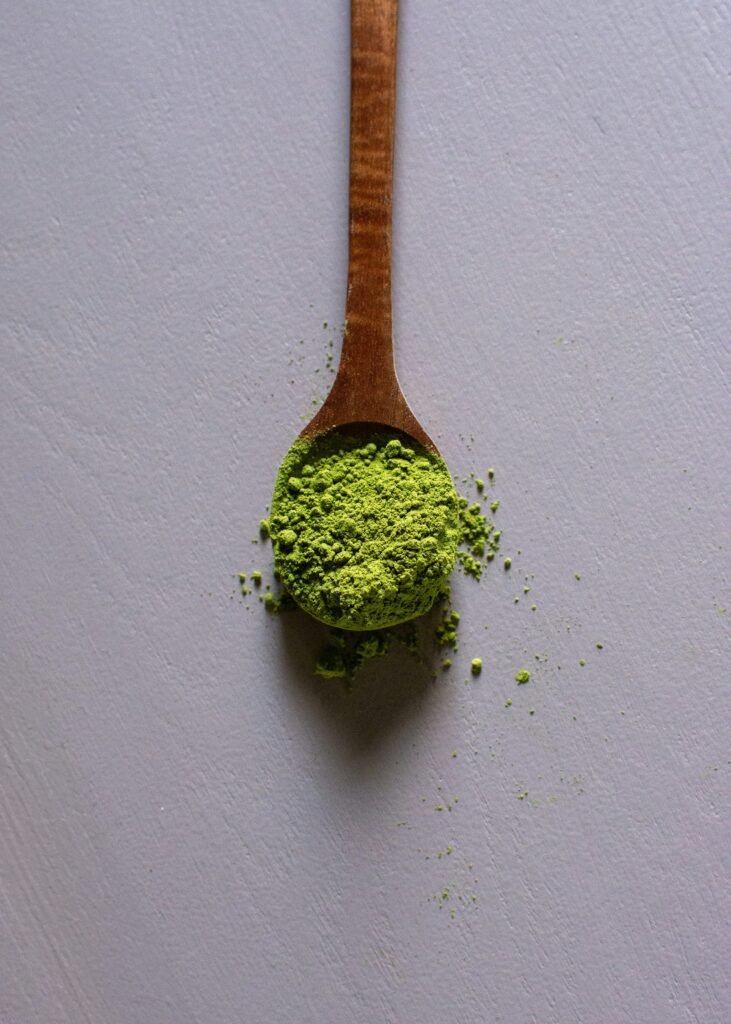
2. Why has Matcha Consumption Skyrocketed?
The recent global “Matcha Boom” isn’t just about the beautiful aesthetic; it’s a response to the “Coffee Burnout” culture.
- The Search for Clean Energy: Modern professionals and athletes are moving away from the “spike and crash” of synthetic energy drinks and high-caffeine coffee.
- The “Wellness Aesthetic”: Social media has highlighted the beauty of the ritual, but the substance behind the style—such as improved skin health and metabolic support—has turned trend-seekers into lifelong devotees.
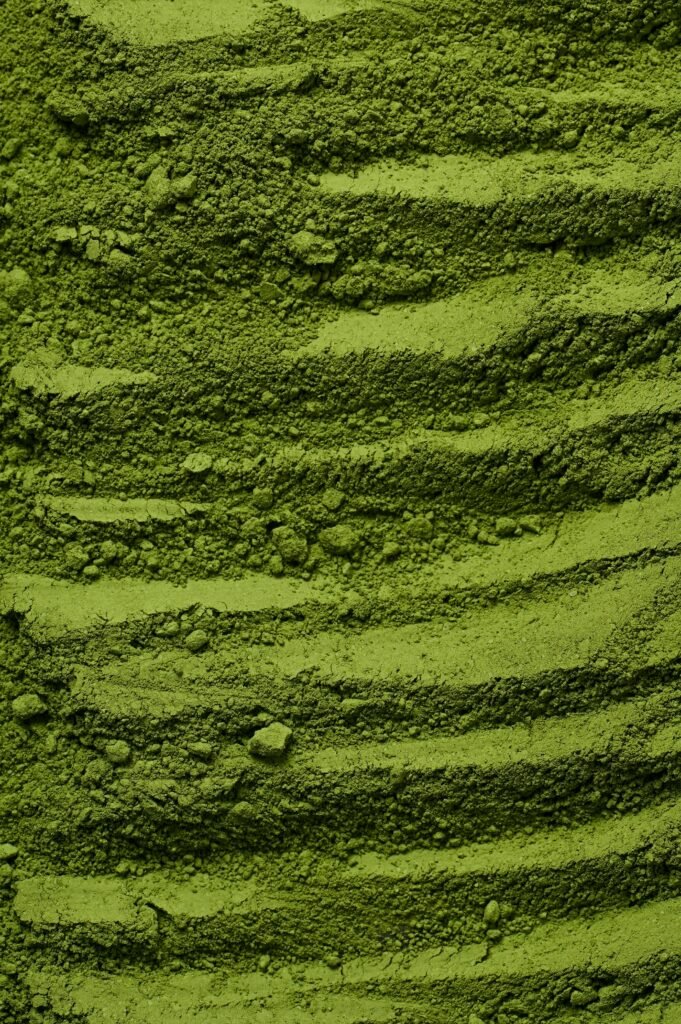
3. The Science of Performance: Key Benefits
What makes Matcha scientifically superior to regular green tea? When you drink Matcha, you consume the entire leaf, providing 10x the nutritional value.
- L-Theanine & Caffeine: This duo creates a sustained release of energy. L-theanine promotes relaxation and alpha-brain wave activity, neutralizing the jitters often associated with caffeine.
- EGCG (Catechins): Matcha is packed with epigallocatechin gallate, a potent antioxidant that fights free radicals, reduces inflammation, and supports muscle recovery after a challenging Pilates session.
- Thermogenic Power: Matcha has been shown to increase the body’s rate of burning calories (thermogenesis) by up to 40% during exercise.
- Skin Vitality: High chlorophyll levels help detoxify the skin from the inside out, promoting a clear, radiant complexion.
4. Choosing Your Grade: What to Look For
Not all Matcha is created equal. To ensure you are getting the benefits without the bitterness, you must know the grades:
- Ceremonial Grade: Made from the youngest tea leaves. It has a vibrant emerald color and a naturally sweet, “umami” flavor. This should only be whisked with water or used in premium lattes.
- Culinary Grade: Harvested later in the season. It is more astringent and has a duller green hue. Best used for baking, smoothies, or cooking.

5. SereneSweat Curates: The Best Matcha Brands
To experience the true power of Matcha, we recommend these industry leaders known for their purity and sustainable farming:
- Ippodo Tea (Kyoto, Japan): With over three centuries of history, Ippodo provides some of the finest ceremonial matcha in the world. Their Sayaka or Kan blends are legendary.
- Mizuba Tea Co.: A favorite for those seeking high-quality, farm-direct Japanese Matcha with a modern, approachable feel.
- Encha: An excellent choice for organic-certified ceremonial matcha, offering a very smooth, creamy texture perfect for beginners.
SereneSweat Curates: The Ultimate Matcha Ritual Essentials
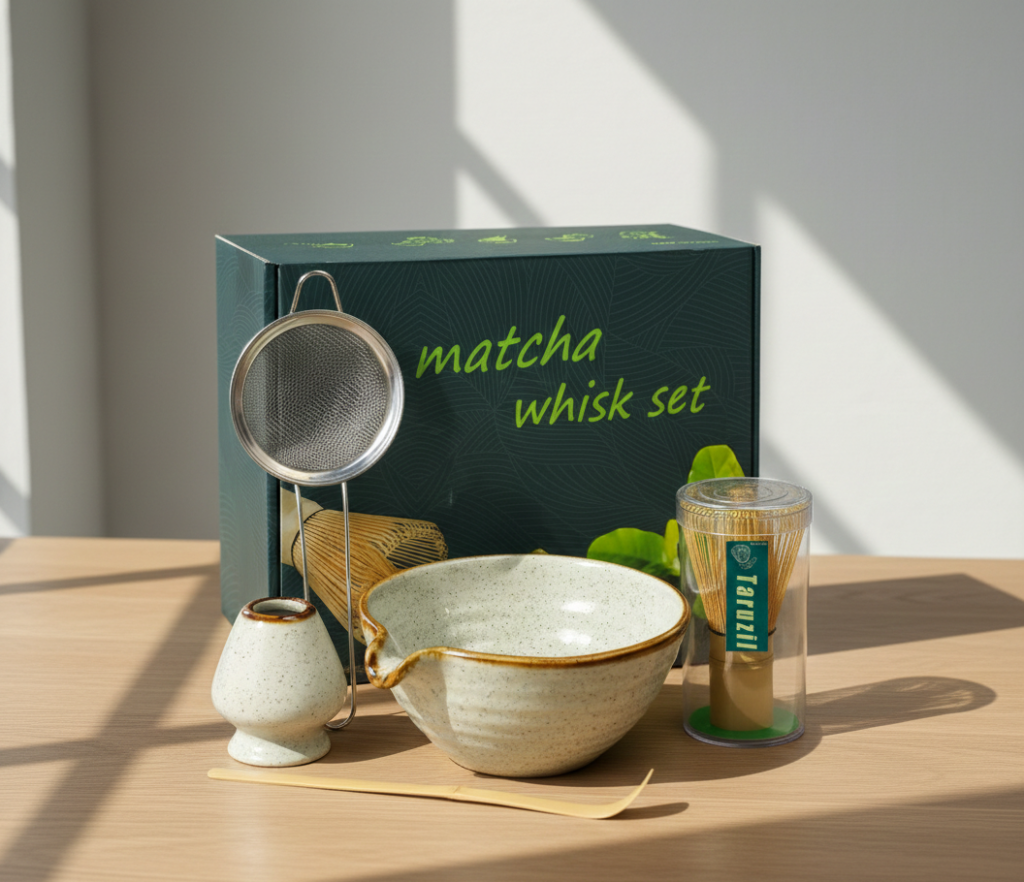
1. The Professional Matcha Preparation Set
For those who value tradition, a complete whisking set is non-negotiable. This kit includes the bamboo whisk (Chasen), the ceramic bowl, and the sifter needed to achieve that smooth, emerald foam without clumps.
2. Precision Frothing: Handheld Milk Foamer
If you’re looking for speed and that thick, cafe-style microfoam for your oat milk, this rechargeable mini blender is a game-changer. It’s powerful, sleek, and perfect for a quick pre-workout latte.
Leave a Reply