Matcha is not just another green tea — it is the most concentrated natural source of catechins available in the human diet, with antioxidant levels that exceed those of vitamins C and E combined. According to a comprehensive review published in the journal Molecules (Kochman et al., 2021), matcha’s unique shade-growing and stone-grinding process creates a chemical profile unlike any other tea, delivering higher concentrations of EGCG, L-theanine, chlorophyll, and caffeine in every cup.
But beyond the wellness-world hype, what does the peer-reviewed science actually say? In this article, we break down the chemical composition and clinically studied health benefits of matcha green tea — grounded in published research, not marketing claims.
If you’re curious about the cultural and ritual side of matcha, we’ve covered that in our definitive guide to matcha history and ritual. This article is purely about the science.
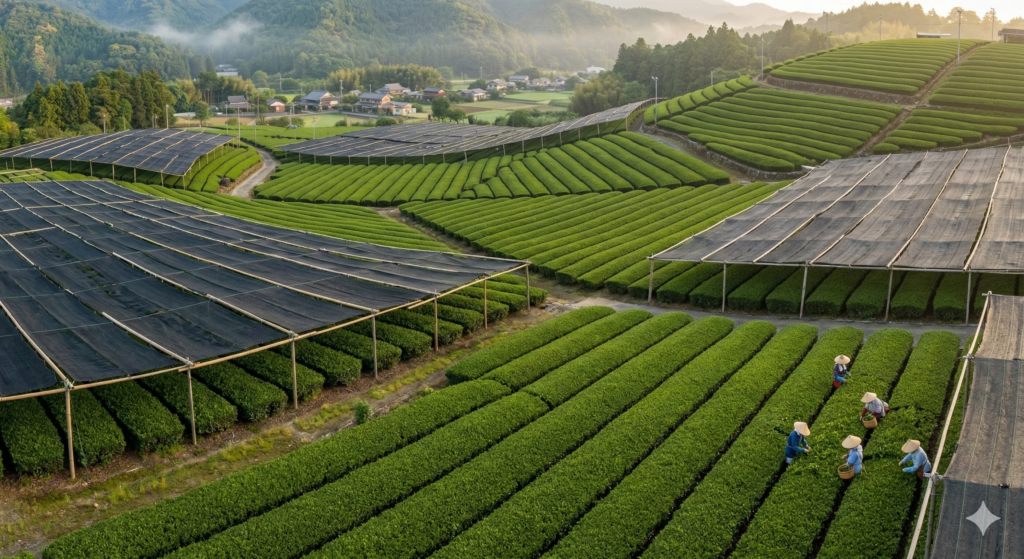
Why Matcha Is Chemically Different from Regular Green Tea
All green tea comes from the same plant — Camellia sinensis — but matcha is produced through a fundamentally different process that changes its biochemistry. For the majority of the growth period, tea bushes destined for matcha are covered with bamboo mats that block direct sunlight. This shade-growing technique triggers a biological response in the plant: it produces significantly higher amounts of chlorophyll, L-theanine, and other amino acids to compensate for the reduced light.
After harvest, the leaves are steamed to halt oxidation, de-veined, and then stone-ground into an ultra-fine powder. This is a critical difference — when you drink matcha, you consume the entire leaf, not just an infusion of it. Research by Fujioka et al. (2016) demonstrated that the grinding process itself accelerates the extraction of polyphenolic compounds, and that powdered tea delivers measurably higher antioxidant activity than steeped loose-leaf tea.
The result is a beverage with a unique nutritional fingerprint: higher catechin concentration per gram than any other tea format, a distinctive L-theanine-to-caffeine ratio that produces calm focus rather than jittery energy, and a polyphenol content of up to 273 mg GAE/g according to analysis by Koláčková et al. (2020).
The Key Bioactive Compounds in Matcha
Understanding matcha’s health benefits requires knowing what’s inside it. Here are the compounds that make it exceptional, based on the review by Kochman et al. (2021) published in Molecules:
EGCG (Epigallocatechin-3-gallate)
The star compound. EGCG is the most abundant and biologically active catechin in matcha, and research shows it is a more potent antioxidant than glutathione, vitamin C, or other flavonoids (Grzesik et al., 2018). It works by neutralizing free radicals and boosting the activity of detoxification enzymes including glutathione peroxidase and catalase. Matcha is considered the best condensed dietary source of EGCG available.
L-Theanine
This amino acid is uniquely preserved in matcha because the shading process prevents its breakdown. Tencha leaves (the base for matcha) contain substantially more L-theanine than sun-grown tea leaves. Research has shown that the combination of L-theanine and caffeine enhances concentration, vigilance, and efficiency more effectively than either compound alone, while simultaneously reducing stress (Dietz & Dekker, 2017). This is why matcha produces a “calm alertness” rather than the anxious energy of coffee.
Caffeine
Matcha contains between 18.9 and 44.4 mg of caffeine per gram — significantly more than other green teas (11.3–24.67 mg/g) but still less than coffee on a per-cup basis. At regular doses, caffeine acts as an antioxidant that reduces persistent oxidative stress and may inhibit pro-inflammatory cytokines.
Chlorophyll
The vibrant green colour of matcha is a direct marker of its chlorophyll content. Shade-grown Tencha leaves contain approximately 5.65 mg/g of chlorophyll versus 4.33 mg/g in standard green tea. Chlorophyll and its derivatives exhibit both antioxidant and anti-inflammatory activity.
Rutin
One of the most surprising findings: matcha contains an exceptionally high rutin content of 1,968.8 mg/L — dramatically higher than buckwheat (62.30 mg/100g), which is traditionally considered one of the richest dietary sources (Jakubczyk et al., 2020). Rutin strengthens blood vessels, has antidiabetic properties, and may help prevent neurodegenerative conditions.
Vitamin C
Matcha contains more than double the vitamin C of other green teas, with levels ranging from 1.63 to 3.98 mg/g depending on origin and preparation. This reinforces its immune-supporting profile.
7 Health Benefits of Matcha Supported by Research
1. Powerful Antioxidant Protection
Matcha’s polyphenol content — up to 30% of its dry weight — gives it exceptional free-radical scavenging capacity. Research confirms that catechins from tea demonstrate outstanding antioxidant activity by neutralizing reactive oxygen species and enhancing the body’s own detoxification enzymes. The antioxidant capacity of matcha’s catechins surpasses that of glutathione, vitamin C, and other flavonoids, making them central to maintaining cellular health (Grzesik et al., 2018).
Importantly, the powdered form delivers more of these compounds than steeped tea. Analysis of 11 green tea varieties found that matcha brewed at optimal temperature had the highest antioxidant parameters of all formats tested, with the shortest extraction time (Komes et al., 2010).
2. Neuroprotection and Cognitive Support
The brain benefits of matcha come from the synergistic action of EGCG, L-theanine, and caffeine working together. Regular caffeine intake may reduce the risk of cognitive decline — particularly in women — by reversing oxidative processes and reducing neuroinflammation in the brain (Ritchie et al., 2007). The neuroprotective effect is also linked to reduced deposition of amyloid-β, a hallmark of Alzheimer’s disease.
A 2024 randomized, double-blind, placebo-controlled trial over 12 months found that daily consumption of 2g of matcha significantly improved social cognition — specifically the ability to recognize facial emotions — in older adults with mild cognitive decline. The study also showed a trend toward improved sleep quality in the matcha group (Uchida et al., 2024).
A separate critical review across human and animal studies confirmed that matcha decreases stress and anxiety and improves short- and long-term memory, while animal models showed enhanced spatial learning and upregulated Brain-Derived Neurotrophic Factor (Sokary et al., 2023).
Serene Tip: Pair your daily matcha with your morning mindfulness ritual to amplify both the cognitive and stress-reducing benefits.
3. Anti-Inflammatory Effects
Chronic inflammation underlies many modern diseases — from cardiovascular conditions to metabolic disorders. EGCG has been shown to inhibit signalling pathways that promote inflammation by scavenging reactive oxygen species (ROS). Research indicates that green tea beverages with high bioactive content can suppress the expression of inflammatory cytokines, attenuating conditions like hepatitis and arterial hypertension (Ohishi et al., 2016).
EGCG supplementation has also demonstrated the ability to alleviate complications from inflammatory processes in cardiac surgery, including lung injury and dysfunction — highlighting its clinical-grade anti-inflammatory potential.
4. Cardiovascular Protection
Heart health is one of the most well-supported benefits. In animal models, EGCG administration reversed markers of myocardial injury and lipid abnormalities caused by exposure to cigarette smoke, suggesting a protective effect on the heart muscle by reducing oxidative stress and inhibiting inflammatory pathways (Gokulakrisnan et al., 2011).
Matcha’s exceptionally high rutin content adds another layer of cardiovascular support. Rutin works synergistically with vitamin C to strengthen blood vessel walls and reduce vascular fragility (Jakubczyk et al., 2020). A meta-analysis cited by Harvard Health found that catechins in green tea help lower both blood pressure and LDL cholesterol — two key risk factors for heart disease.
A 2025 cross-sectional study in a Saudi Arabian population further confirmed that matcha consumption was linked to improved cardiovascular health markers, with matcha offering superior metabolic benefits compared to standard green tea (ScienceDirect, 2025).
5. Blood Sugar Regulation and Metabolic Support
Multiple compounds in matcha work together to support healthy blood sugar levels. EGCG may inhibit starch digestion, minimizing sudden glucose spikes after meals. It also shows capacity for inhibiting gluconeogenesis (the liver’s production of glucose), reducing lipid and glucose absorption in the gut, and improving insulin sensitivity (Zhang et al., 2018).
Quercetin — present in matcha at slightly higher levels than in standard green tea — further supports this effect by normalizing carbohydrate metabolism, regulating insulin secretion, and improving tissue sensitivity to insulin. In animal studies, matcha consumption with a high-fat diet resulted in decreased weight gain, improved serum glucose levels, and a better lipid profile (Sokary et al., 2023).
This makes matcha a particularly compelling companion for those following a mindful wellness lifestyle that prioritizes steady energy and metabolic balance.
6. Potential Anti-Cancer Properties
The anticarcinogenic properties of EGCG have been extensively studied. The mechanisms involve inhibiting tumour angiogenesis (the growth of blood vessels that feed tumours), suppressing inflammatory processes that contribute to cancer initiation, and inducing apoptosis (programmed death) of cancer cells (Yang et al., 2009).
Research specifically on colorectal cancer suggests that high EGCG intake may reduce incidence partly through inhibiting tumour growth factors. Green tea extract supplementation has also shown potential for preventing the recurrence of adenomas — a precursor to colorectal cancer (Shimizu et al., 2008). Additionally, catechins act synergistically with anticancer medications, potentially supporting conventional therapy (Fujiki et al., 2015).
In vitro studies have demonstrated that matcha specifically reduces the viability, mitochondrial metabolism, and ATP production of breast cancer cells by disrupting cell cycle regulation (Sokary et al., 2023). However, more research in human clinical trials is needed before definitive conclusions can be drawn.
Note: These findings are from laboratory and animal studies. Matcha should not be used as a replacement for medical cancer treatment. Always consult your healthcare provider.
7. Emerging Research: Allergic Rhinitis Relief
In a fascinating 2026 study published in npj Science of Food, researchers at Hiroshima University found that matcha may influence allergic rhinitis (hay fever) through a previously unknown mechanism. In mice engineered to develop hay-fever-like symptoms, matcha administration significantly reduced sneezing responses by lowering activity of the c-Fos gene in the brain’s “sneezing centre.” The researchers described this as a promising food-based option that could complement standard allergy care (Ogata et al., 2026).
How to Prepare Matcha for Maximum Health Benefits
The science suggests that preparation method significantly affects how much benefit you get from your matcha. Based on the research reviewed:
Temperature Matters
Antioxidant capacity increases with water temperature. Research by Komes et al. (2010) found that optimal antioxidant extraction occurred at the highest temperature tested (100°C) with a 3-minute brewing time. However, traditional preparation calls for 70–80°C water to preserve the delicate umami flavour. A balanced approach: use water at around 80°C for daily enjoyment, and know that hotter water extracts more polyphenols if maximum health benefit is your priority.
Powder Beats Leaves
The powdered form consistently outperformed loose-leaf and bagged green teas in antioxidant capacity across multiple studies. When you drink matcha, you consume the entire leaf — not just what steeps into the water. Extending the brewing time of powdered matcha did not further increase its antioxidant capacity, meaning the benefits are delivered quickly.
Quality Matters
Ceremonial-grade matcha, made from the youngest shade-grown leaves, contains the highest concentrations of L-theanine, chlorophyll, and amino acids. Culinary-grade matcha, while still beneficial, is typically made from older leaves with lower bioactive compound density. For the full health benefit, prioritize ceremonial grade.
For our recommended matcha ritual, including the perfect oat milk matcha latte recipe, see our Mindful Morning Ritual guide.
Matcha vs. Coffee: The Science of Calm Focus
One of matcha’s most distinctive benefits is what it doesn’t do. Unlike coffee, which delivers caffeine in a sharp spike that can trigger anxiety, jitters, and a mid-afternoon crash, matcha delivers caffeine alongside L-theanine — and this combination changes the experience entirely.
Research by Dietz & Dekker (2017), reviewing 49 human intervention studies, confirmed that L-theanine counteracts caffeine-induced arousal, promoting a balanced state of relaxation and focus. The result is sustained energy, enhanced concentration, and reduced stress — without the cortisol spike or the crash.
A typical cup of matcha contains roughly 70 mg of caffeine (compared to 95–200 mg in coffee), but the presence of L-theanine means the subjective experience is fundamentally different: alert but calm, focused but not wired. This is why matcha has been the beverage of choice in Zen Buddhist meditation for centuries — long before science could explain why.
How Much Matcha Should You Drink?
Most clinical studies use 1–2 grams of matcha per day (approximately 1–2 teaspoons). The 12-month cognitive function trial by Uchida et al. (2024) used 2g daily and found measurable benefits. For general wellness, 1–2 cups per day appears to be a safe and effective amount for most adults.
However, matcha is not without considerations. Because you consume the entire leaf, matcha can contain trace amounts of lead absorbed from the environment during growth. Limiting intake to 1–2 cups daily minimizes any potential concern. Pregnant or breastfeeding women should consult their healthcare provider regarding caffeine intake. And those on anticoagulant therapy should be aware that green tea products may interact with their medication.
Our Top Matcha Ritual Essentials
To get the most out of your daily matcha practice, quality tools make a difference. Here are our curated picks from The Serene Shop:
- Cork Yoga Mat — While not directly matcha-related, this pairs perfectly with a post-matcha morning flow. The natural cork material aligns with the organic, mindful aesthetic of a matcha ritual.
We’re currently curating a dedicated matcha preparation kit — including ceramic bowls, bamboo whisks, and our favourite ceremonial-grade matcha sources. Stay tuned to the blog for updates.
The SereneSweat Perspective
At SereneSweat, we view matcha as more than a beverage — it’s a ritual that bridges science and serenity. The research is clear: the compounds in matcha support your body’s antioxidant defences, protect your brain, calm your nervous system, and may reduce your risk of chronic disease.
But what the science can’t fully capture is the experience of sitting quietly with a warm bowl of matcha, watching the steam rise, and feeling the calm focus settle in before your morning movement practice. That intersection — where evidence meets intention — is exactly where we live.
Frequently Asked Questions
Is matcha healthier than regular green tea?
Yes, in most measurable ways. Because you consume the entire leaf rather than an infusion, matcha delivers significantly higher concentrations of catechins, EGCG, L-theanine, and chlorophyll per serving. Research shows its polyphenol content can reach up to 273 mg GAE/g, and it has the highest antioxidant capacity of all green tea formats tested.
How much caffeine is in a cup of matcha?
A typical cup of matcha contains approximately 70 mg of caffeine, compared to 95–200 mg in coffee. Matcha’s caffeine content per gram ranges from 18.9 to 44.4 mg/g. However, the presence of L-theanine modulates the caffeine’s effects, producing calm alertness rather than jitters.
What is EGCG and why is it important?
EGCG (epigallocatechin-3-gallate) is the most abundant and biologically active catechin in matcha. It is a more potent antioxidant than glutathione or vitamin C. Research links EGCG to anti-inflammatory effects, cardiovascular protection, blood sugar regulation, neuroprotection, and potential anti-cancer properties.
What is the best water temperature for preparing matcha?
Research shows that antioxidant extraction increases with water temperature, with optimal values at 100°C with a 3-minute brew time. However, traditional preparation uses 70–80°C water to preserve the delicate flavour and umami. For daily enjoyment, 80°C is a good balance between taste and health benefits.
Can matcha help with brain health and cognitive function?
Research suggests yes. A 12-month randomized controlled trial (Uchida et al., 2024) found that 2g of daily matcha improved social cognition in older adults with mild cognitive decline. The combination of EGCG, L-theanine, and caffeine has been shown to reduce stress, enhance attention, and improve memory. Regular caffeine intake from matcha may also reduce the risk of cognitive decline by lowering amyloid-β deposition in the brain.
Scientific Sources
- Kochman, J., Jakubczyk, K., Antoniewicz, J., Mruk, H., & Janda, K. (2021). Health Benefits and Chemical Composition of Matcha Green Tea: A Review. Molecules, 26(1), 85. doi.org/10.3390/molecules26010085
- Sokary, S., He, Q., & Hossain, M.A. (2023). The therapeutic potential of matcha tea: A critical review on human and animal studies. Current Research in Food Science, 6, 100396. PMC9792400
- Uchida, K., Meno, K., Korenaga, T., et al. (2024). Effect of matcha green tea on cognitive functions and sleep quality in older adults with cognitive decline: A randomized controlled study over 12 months. PLOS ONE, 19(8), e0309287. doi.org/10.1371/journal.pone.0309287
- Koláčková, T., Kolofiková, K., Sytařová, I., et al. (2020). Matcha Tea: Analysis of Nutritional Composition, Phenolics and Antioxidant Activity. Plant Foods for Human Nutrition, 75, 48–53.
- Jakubczyk, K., Kochman, J., Kwiatkowska, A., et al. (2020). Antioxidant Properties and Nutritional Composition of Matcha Green Tea. Foods, 9(4), 483.
- Grzesik, M., Naparło, K., Bartosz, G., & Sadowska-Bartosz, I. (2018). Antioxidant Properties of Catechins: Comparison with Other Antioxidants. Food Chemistry, 241, 480–492.
- Dietz, C. & Dekker, M. (2017). Effect of Green Tea Phytochemicals on Mood and Cognition. Current Pharmaceutical Design, 23, 2876–2905.
- Komes, D., Horžić, D., Belščak, A., et al. (2010). Green Tea Preparation and Its Influence on the Content of Bioactive Compounds. Food Research International, 43, 167–176.
- Fujioka, K., Iwamoto, T., Shima, H., et al. (2016). The Powdering Process with a Set of Ceramic Mills for Green Tea Promoted Catechin Extraction and the ROS Inhibition Effect. Molecules, 21(4), 474.
- Ogata, S., Uda, N., Miura, K., et al. (2026). Matcha alleviates sneezing response in a murine model of allergic rhinitis. npj Science of Food. doi: 10.1038/s41538-026-00777-9
- Gokulakrisnan, A., Jayachandran Dare, B., & Thirunavukkarasu, C. (2011). Attenuation of the Cardiac Inflammatory Changes and Lipid Anomalies by (−)-Epigallocatechin-gallate in Cigarette Smoke-Exposed Rats. Molecular and Cellular Biochemistry, 354, 1–10.
- Yang, C.S., Wang, X., Lu, G., & Picinich, S.C. (2009). Cancer Prevention by Tea: Animal Studies, Molecular Mechanisms and Human Relevance. Nature Reviews Cancer, 9, 429–439.
Disclaimer: This article is for informational and educational purposes only and does not constitute medical advice. Matcha should not be used as a substitute for medical treatment. If you have specific health conditions — including pregnancy, breastfeeding, liver conditions, or take medications such as anticoagulants — consult your healthcare provider before significantly increasing your matcha intake.
Leave a Reply