Yes, Pilates is safe and beneficial during pregnancy — and the science is increasingly clear about it. According to the American College of Obstetricians and Gynecologists (ACOG), modified Pilates is listed as a safe activity for uncomplicated pregnancies, and clinical research shows it can reduce back pain, shorten labor duration, improve sleep quality, and support maternal mental health.
A growing body of peer-reviewed studies — including a 2025 systematic review of 11 clinical trials with 538 participants — confirms that Pilates during pregnancy positively influences labor outcomes and alleviates some of the most common discomforts of the prenatal journey. But what exactly does the research say, and how should you practice safely?
In this evidence-based guide, we break down the latest scientific findings so you can make informed decisions about your prenatal movement practice.
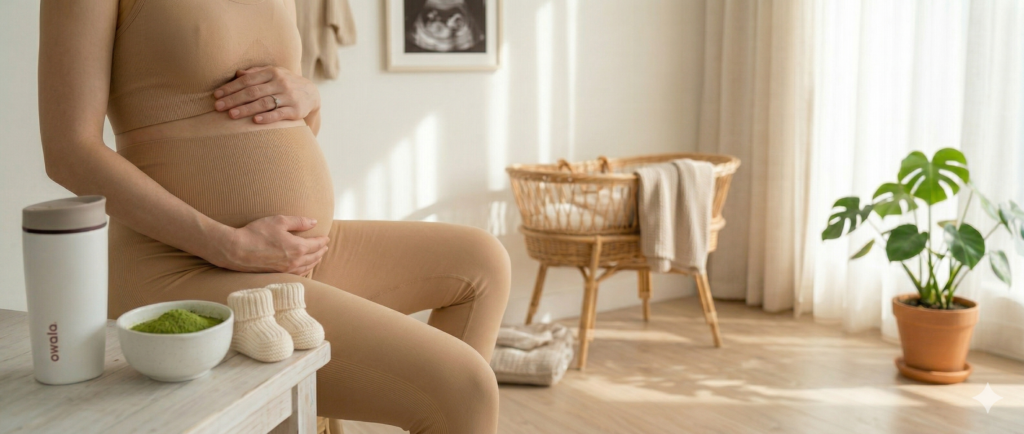
What the Latest Research Tells Us
The study that inspired this article is a clinical protocol published in the International Journal of Surgery Protocols by researchers at Shahrekord University of Medical Sciences (Mothaghi Dastenaei et al., 2020). It designed a three-phase intervention to evaluate how Pilates affects pregnancy and neonatal outcomes — tracking everything from back pain intensity to postpartum depression, gestational diabetes risk, and newborn health markers.
The protocol involves two 30-minute Pilates sessions per week for 12 weeks, supervised by a qualified instructor, with moderate intensity (8–10 strength exercises per session). Two intervention groups start at different points in pregnancy — the 8th and 18th week — compared against a control group receiving standard prenatal care.
But this study is just one piece of a much larger puzzle. Let’s look at what the broader scientific literature confirms.
5 Proven Benefits of Pilates During Pregnancy
1. Significant Reduction in Back Pain
Low back pain affects an estimated 50–80% of pregnant women and is one of the most commonly reported discomforts during pregnancy. The mechanical changes in spinal alignment, combined with hormonal loosening of the ligaments, create a perfect storm for chronic discomfort.
A 2025 scoping review published in BMC Pregnancy and Childbirth, which analyzed 21 studies on Pilates during pregnancy, found consistent evidence that Pilates reduces pain levels in pregnant women. Six of the 21 included studies specifically examined pain outcomes, and all reported improvements (Turan Alagöz et al., 2025).
This makes physiological sense: Pilates targets the deep stabilizing muscles of the core — the transversus abdominis, pelvic floor, and multifidus — which directly support the spine and pelvis during the postural shifts of pregnancy.
Serene Tip: If back pain is your main concern, focus on exercises that strengthen the posterior chain without excessive spinal flexion. A foundational Pilates practice with modified movements is ideal.
2. Shorter and Smoother Labor
One of the most compelling findings across multiple studies is the effect of prenatal Pilates on labor duration. A 2025 systematic review and meta-analysis published in BMC Sports Science, Medicine and Rehabilitation, analyzing 11 randomized controlled trials, concluded that Pilates during pregnancy positively influences the shortening of labor duration and alleviates labor pain (Li et al., 2025).
A separate randomized controlled trial published in BMC Pregnancy and Childbirth found that women who practiced Pilates from weeks 26–28 of pregnancy for 8 weeks experienced significantly shorter active labor phases and reported higher satisfaction with the birth process, with no adverse effects for mother or baby (Ghandali et al., 2021).
The mechanism likely involves the strengthened pelvic floor and improved body awareness that Pilates develops — both of which contribute to more efficient pushing during delivery.
3. Better Sleep Quality
Sleep disturbances are a widespread challenge during pregnancy, driven by hormonal fluctuations, physical discomfort, and psychological stress. The 2025 scoping review found that six of its 21 included studies examined sleep quality and reported consistent improvements in women practicing Pilates, as measured by the Pittsburgh Sleep Quality Index.
Notably, one 2023 study found that Pilates led to greater improvements in sleep quality compared to aerobic exercises, positioning it as a particularly effective low-impact option for pregnant women dealing with insomnia or restless nights.
Serene Tip: Pair your Pilates practice with a calming morning or evening ritual to amplify the sleep benefits. Consistency matters more than intensity.
4. Reduced Depression, Anxiety, and Fear of Childbirth
Prenatal mental health is one of the most important — yet often overlooked — aspects of pregnancy care. A 2024 randomized controlled study published in Scientific Reports found that eight weeks of online Pilates training effectively reduced depression, anxiety, and fear of childbirth in pregnant women, while the control group showed no improvement (Bulguroglu et al., 2024).
The 2025 scoping review confirmed this finding across five separate studies, all reporting positive effects on mental health outcomes. The combination of controlled breathing, mindful movement, and physical engagement appears to act as a natural regulator of cortisol and mood-related neurotransmitters.
This aligns perfectly with the philosophy we embrace at SereneSweat — that movement is a form of meditation, not just physical exercise.
5. Improved Neonatal Outcomes
A 2023 systematic review and meta-analysis published in Medicine found that Pilates during pregnancy is associated with improved immediate physiological status of the newborn — including better Apgar scores at 1 and 5 minutes after birth. The review also noted reduced rates of cesarean delivery and healthier maternal weight gain patterns (PMC, 2023).
The Shahrekord protocol study specifically tracks neonatal outcomes including birth weight, height, head circumference, Apgar scores, and fetal presentation — recognizing that maternal exercise benefits extend directly to the baby.
What ACOG Says About Exercise During Pregnancy
The American College of Obstetricians and Gynecologists (ACOG) is the gold standard for prenatal exercise guidelines. Their Committee Opinion No. 804 makes several important recommendations:
- 150 minutes per week of moderate-intensity aerobic activity is recommended for all pregnant women without complications
- Modified Pilates is listed as a safe activity alongside walking, swimming, and stationary cycling
- Women who were not active before pregnancy can safely start an exercise program, increasing gradually
- Exercise during pregnancy does not increase the risk of miscarriage, low birth weight, or early delivery
- Hot Pilates should be avoided — only modified, temperature-controlled Pilates is recommended
The key principle is that “physical activity in pregnancy is safe and desirable, and pregnant women should be encouraged to continue or to initiate safe physical activities,” as stated directly in the ACOG guidelines.
A Safe Prenatal Pilates Routine: Where to Start
Based on the research protocols and ACOG guidelines, here is a science-backed framework for prenatal Pilates:
Frequency and Duration
- 2–3 sessions per week, each lasting 30–45 minutes
- Begin as early as the 8th week of pregnancy (or when cleared by your healthcare provider)
- Continue through the third trimester with appropriate modifications
- Maintain moderate intensity — you should be able to hold a conversation throughout
Exercises to Focus On
- Pelvic floor activation — strengthens the muscles that support labor and recovery
- Modified Cat-Cow — mobilizes the spine and relieves back tension
- Side-lying leg series — builds hip stability without compressing the abdomen
- Standing balance work — maintains proprioception as your center of gravity shifts
- Seated breathing exercises — develops the breath control essential for labor
Movements to Avoid
- Lying flat on your back after the first trimester (reduces blood flow)
- Deep twists that compress the abdomen
- Any exercise that causes pain, dizziness, or shortness of breath
- Hot Pilates or exercising in high temperatures
- Jerky, high-impact, or bouncing movements
Essential Gear for Prenatal Pilates at Home
You don’t need a full studio to practice safely. Here are the essentials we recommend for a supportive home Pilates setup during pregnancy:
- Stakt Foldable Yoga Mat — The extra-thick, foldable design provides crucial knee cushioning during prenatal floor work. Fold it once for added support under your hips or knees.
- Fabric Resistance Bands (Set of 3) — The lightest band is perfect for gentle lower-body strengthening without overloading your joints during pregnancy.
- Cork Yoga Mat — Non-slip grip is essential when your balance shifts. Cork provides natural traction even when your palms are warm.
- CastleFlexx Mobility Device — Ideal for safe, assisted stretching of the hamstrings and calves — areas that often tighten during pregnancy.
When to Stop and Seek Medical Advice
While Pilates is considered safe for most pregnancies, ACOG lists clear warning signs to stop exercising and contact your healthcare provider immediately:
- Vaginal bleeding or fluid leaking
- Regular or painful contractions
- Dizziness, headache, or chest pain
- Shortness of breath before starting exercise
- Calf pain or swelling
- Decreased fetal movement
Additionally, women with conditions such as preeclampsia, incompetent cervix, placenta previa after 26 weeks, or multiple gestation at risk of preterm labor should consult their provider before beginning any exercise program.
The SereneSweat Perspective
Pregnancy is one of the most transformative chapters of a woman’s life — and we believe it deserves a movement practice that honors both its power and its vulnerability. The science is clear: gentle, mindful Pilates is one of the best things you can do for your body, your mind, and your baby during this time.
You don’t need to push harder. You don’t need to do more. You need to move with intention, breathe with awareness, and trust the quiet strength your body already holds. That is the legacy of Contrology — and it was designed for exactly this kind of transformation.
Frequently Asked Questions
Is Pilates safe during all trimesters of pregnancy?
Yes, modified Pilates is considered safe throughout all trimesters for women with uncomplicated pregnancies, according to ACOG guidelines. However, certain modifications are needed — particularly avoiding lying flat on your back after the first trimester and skipping deep twists. Always get clearance from your healthcare provider before starting.
How often should I do Pilates while pregnant?
Clinical research protocols typically use 2–3 sessions per week, each lasting 30 minutes, for 8–12 weeks. ACOG recommends 150 minutes of moderate-intensity exercise per week total. You can divide this between Pilates, walking, and other safe activities.
Can Pilates help with back pain during pregnancy?
Yes. Multiple clinical studies confirm that Pilates significantly reduces lower back pain during pregnancy. A 2025 scoping review of 21 studies found consistent pain reduction in pregnant women who practiced Pilates, thanks to its focus on deep core stabilization and spinal alignment.
Does prenatal Pilates make labor easier?
Research suggests it can. A 2025 meta-analysis of 11 clinical trials found that Pilates during pregnancy is associated with shorter labor duration and reduced labor pain. A separate 2021 clinical trial reported shorter active labor phases and higher maternal satisfaction in the Pilates group.
What is the difference between regular Pilates and prenatal Pilates?
Prenatal Pilates modifies traditional exercises to accommodate the changing body during pregnancy. Key differences include avoiding supine positions after the first trimester, eliminating deep abdominal crunches, reducing intensity to moderate levels, and emphasizing pelvic floor and breathing work. Hot Pilates should always be avoided during pregnancy.
Scientific Sources
- Mothaghi Dastenaei, B., Aein, F., Safdari, F., & Karimiankakolaki, Z. (2020). Designing an intervention program over the effects of Pilates on pregnancy outcomes among the pregnant women: A protocol study. International Journal of Surgery Protocols, 24, 27–30. doi.org/10.1016/j.isjp.2020.10.004
- Li, Y., Lu, H., Zhang, L., Ren, Y., Dai, X., & Lin, L. (2025). Pilates exercise in pregnancy: a systematic review and meta-analysis. BMC Sports Science, Medicine and Rehabilitation, 17(1), 20. doi.org/10.1186/s13102-025-01067-9
- Turan Alagöz, A., Gercek, H., Unuvar, B.S., Yilmaz Findik, F., & Ozgul, S. (2025). The effects of Pilates method in pregnant women: scoping review. BMC Pregnancy and Childbirth, 25(1), 485. doi.org/10.1186/s12884-025-07622-z
- Ghandali, N.Y., Iravani, M., Habibi, A., & Cheraghian, B. (2021). The effectiveness of a Pilates exercise program during pregnancy on childbirth outcomes: a randomised controlled clinical trial. BMC Pregnancy and Childbirth, 21, 480. doi.org/10.1186/s12884-021-03922-2
- Bulguroglu, H.I. et al. (2024). The effects of online Pilates on the mood and fear of birth of pregnant women: a randomized controlled study. Scientific Reports, 14, 16143. doi.org/10.1038/s41598-024-67290-5
- ACOG Committee Opinion No. 804 (2020). Physical Activity and Exercise During Pregnancy and the Postpartum Period. Obstetrics & Gynecology, 135(4), e178–e188. PubMed
- Ashrafinia, F. et al. (2014). The effects of Pilates exercise on sleep quality in postpartum women. Journal of Bodywork and Movement Therapies, 18(2), 190–199.
- Mazzarino, M., Kerr, D., Wajswelner, H., & Morris, M.E. (2015). Pilates method for women’s health: systematic review of randomized controlled trials. Archives of Physical Medicine and Rehabilitation, 96(12), 2231–2242.
Disclaimer: This article is for informational and educational purposes only and does not constitute medical advice. Always consult your healthcare provider, obstetrician, or midwife before starting any exercise program during pregnancy. Every pregnancy is different, and individual medical conditions may affect what is safe for you.
Leave a Reply